CALL US TODAY - 020 8742 1556
CALL US TODAY - 020 8742 1556
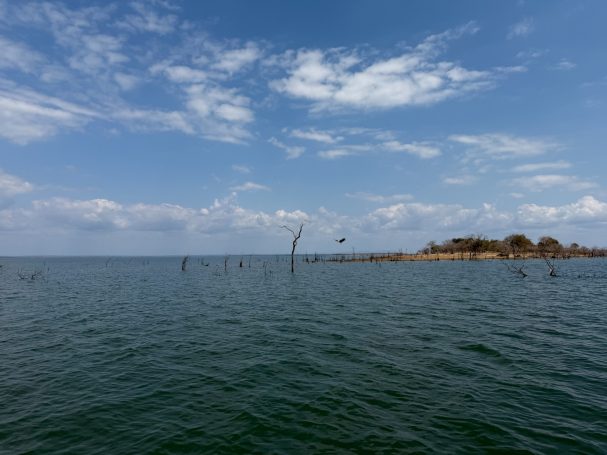
There are very few places left in the world where a travelling angler can genuinely feel that they are fishing somewhere new. Many of the great rivers and lakes have been mapped, named and fished for generations, and even the more remote destinations tend to have an established rhythm to them. The Nyerere Dam is different. The lake is only a few years old, the ecosystem is still developing, the guides are still discovering new water, and nobody really knows what the tigerfish population will look like in another five or ten years. For a week in September 2026, we had the feeling that we were seeing a fishery at a very particular moment in its life.
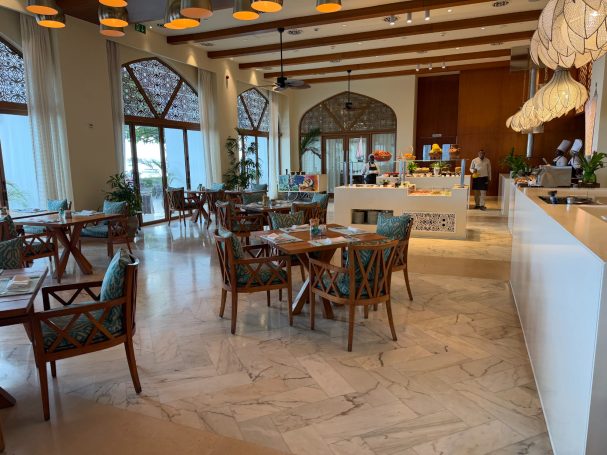
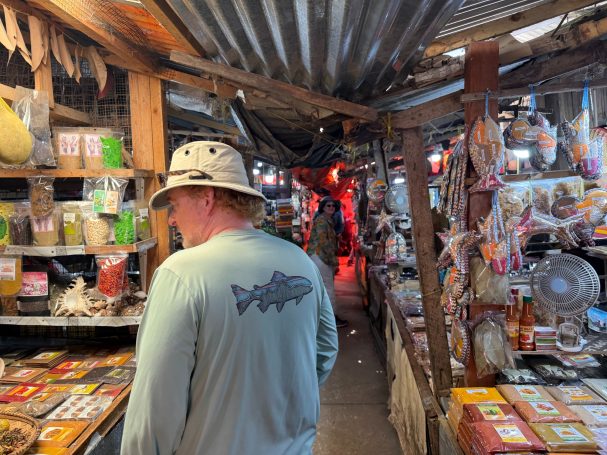
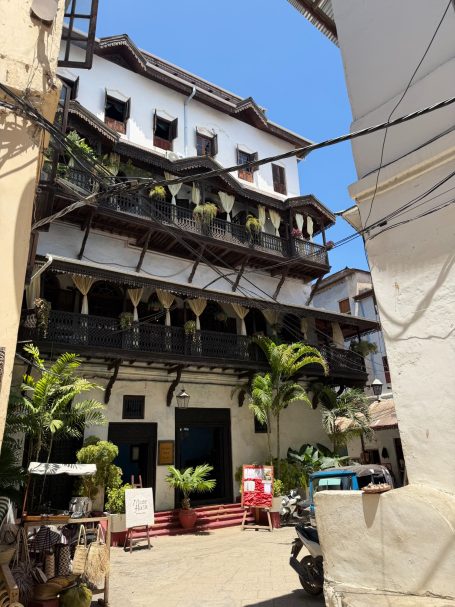
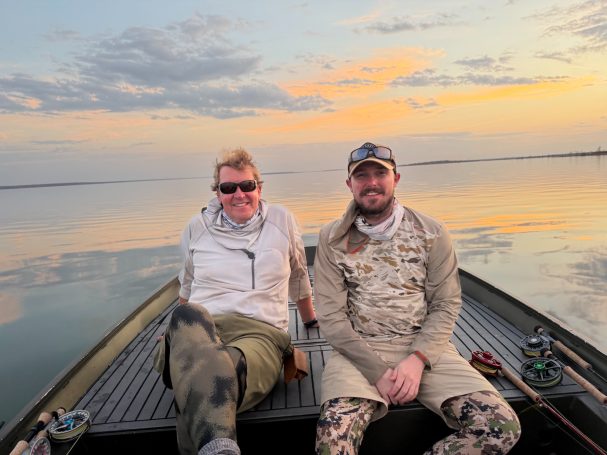
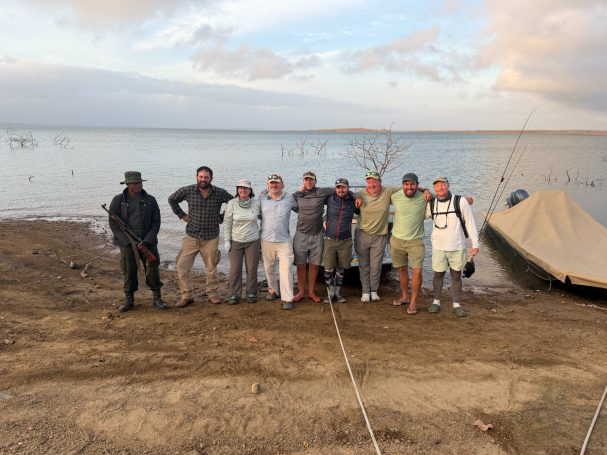
Full of anticipation, Fergus, Miles, John, Diane and I assembled at Heathrow for the journey to Zanzibar, travelling via Frankfurt with Lufthansa and Discover Airlines. On arrival we were met by the smiley Abdi, who got us efficiently through immigration and into our transfer to the Park Hyatt in Stone Town. After the long journey, the Indian Ocean provided a pleasant change of view. We spent the day exploring the markets and narrow streets, with colourful spices piled high and architecture reflecting Zanzibar's history at the crossroads of Africa, Arabia and the Indian Ocean.
That evening our host in Tanzania, Ed Ghaui, had arranged dinner at the well-known Zanzibar institution Emerson on Hurumzi. We headed there for sundowners and an excellent ten-course meal, sitting above the rooftops as the sun went down and calls to prayer drifted across Stone Town. There was plenty of anticipation about the week ahead. The reports coming back from Nyerere suggested that we were about to fish somewhere quite unlike anywhere we had been before. It was still largely unexplored and, in fishing terms at least, very much in the process of being discovered.
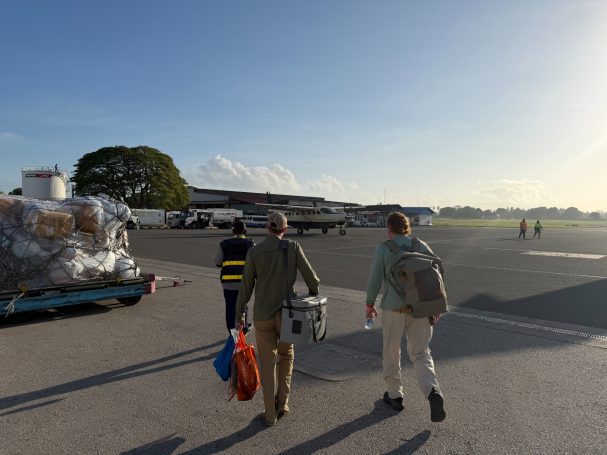
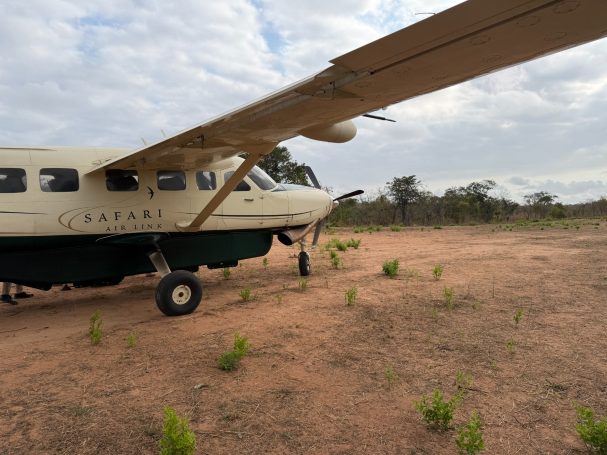
The following morning we were up early and heading for the domestic terminal. Having Abdi with us was useful again and seemed to result in receiving minimal hassle, and before long we were boarding a twelve-seat Cessna 208. The hum of the engine did little to suppress the anticipation as we flew over the Indian Ocean, across mainland Tanzania and into increasingly wild country, before landing on a small airstrip beside the lake. The outgoing group from Mission Magazine told us we were in for a treat… They weren't wrong.
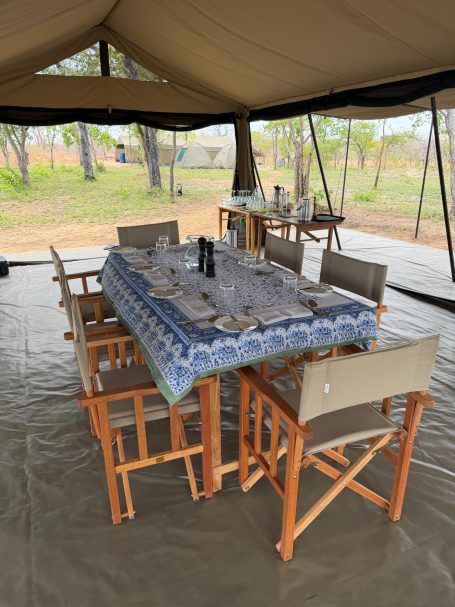
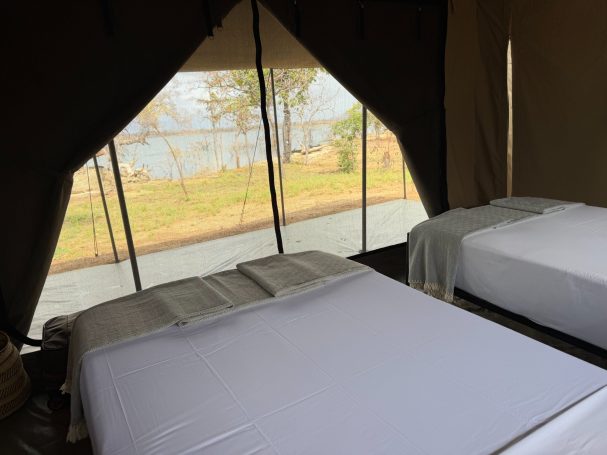
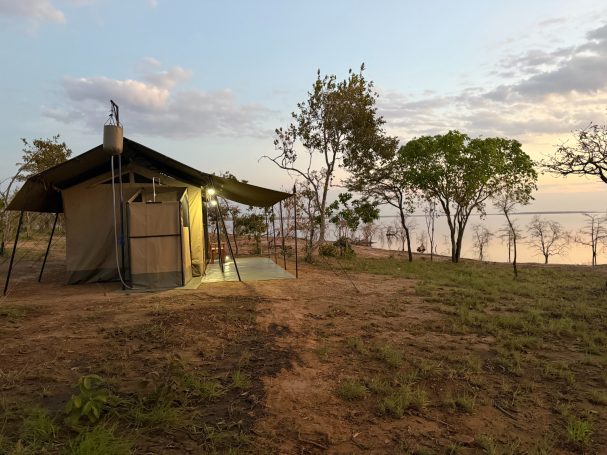
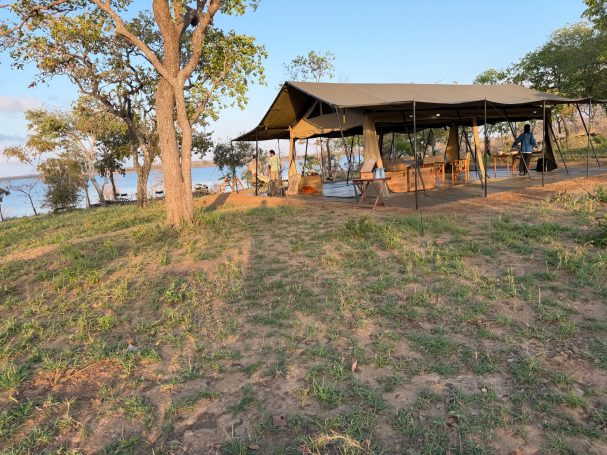
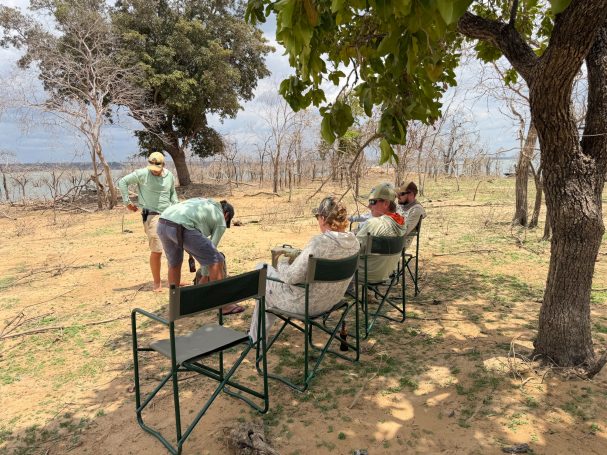
A short walk through the bush brought us to the boats, which were loaded with our bags before the run across the lake to our base for the week, Maji Mapya camp. The camp is in its first full season and has been extremely thoughtfully put together: comfortable tents with private showers and flushing loos, a large dining tent with fridges and ice, and a fireplace around which everyone gathered in the evenings. The general philosophy seemed to be everything you need and nothing you don't. Despite the remote setting, it proved a remarkably comfortable base for the week. Before long we had rigged up, had some breakfast and were heading out onto the lake for our first session.
The fishing
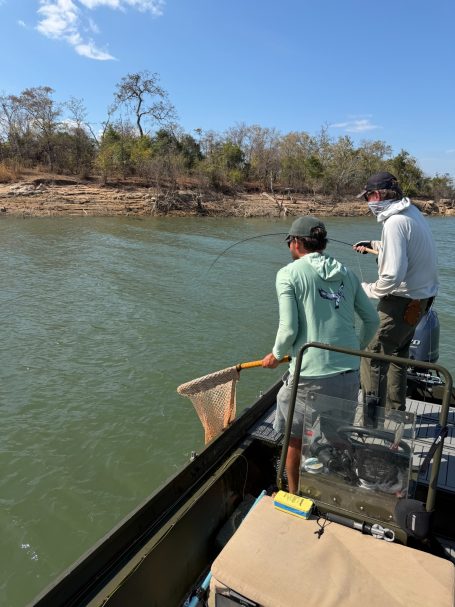
Guided by Ed's brother Barnes, Fergus, Miles and I headed to an area that had been nicknamed Chesapeake Bay. Within perhaps fifteen minutes the first fish was hooked, and almost immediately we began to see what made this fishery so different. The main thing was just how visual the fishing was. A tigerfish would attack the fly and, once hooked, several others would typically appear behind it. You might be playing one fish while watching another, sometimes considerably larger, circling underneath. The first question when a fish was hooked soon became: "Does he have any friends?". Although, to be honest, they weren't really friends at all… They were usually trying to take chunks out of one another.
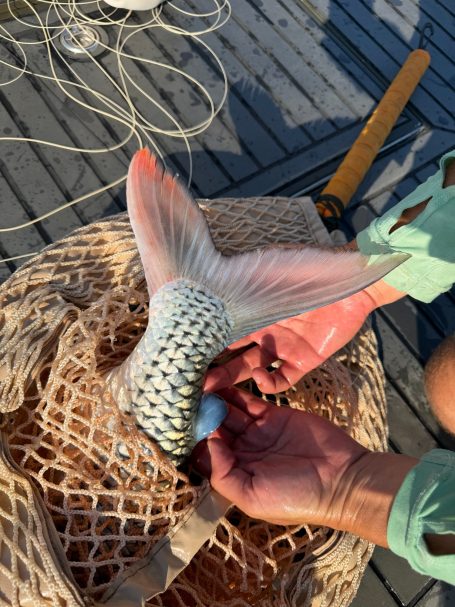
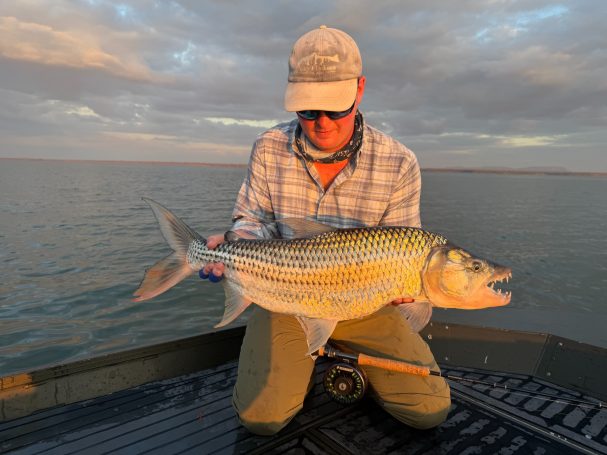
In probably 70% of instances, you saw the fish take. Watching a tigerfish follow a fly gets the heart going; the moment it decides to eat is something else altogether. You might be twitching a baitfish pattern back towards the boat, see a menacing presence appear behind it, and then watch the fish accelerate and crush the fly. There is very little ambiguity about what has happened. The take is violent, you feel it right through your body, and the first run is astonishingly powerful. A good fish can tear line from your fingers before you have properly registered that it is hooked, and they can clear six feet of water in a jump. Even after having a few weeks to think about it, the speed and aggression of the takes is difficult to describe without making it sound exaggerated. It is incredibly high-octane fishing.
The sheer number of fish also completely changes your goalposts. On most tigerfish trips, losing a good fish is a source of considerable frustration. On Nyerere, at least during the week we experienced, there were so many opportunities that things shifted entirely. One morning Fergus and Miles decided to keep count and, by lunchtime, had landed 44 tigerfish between them on fly, perhaps a quarter of them into double figures. On a typical day I would estimate that somewhere around six to ten double-figure tigerfish were being landed per boat, with thirty or more fish per boat entirely possible, and considerably more on the better days if you so wished.
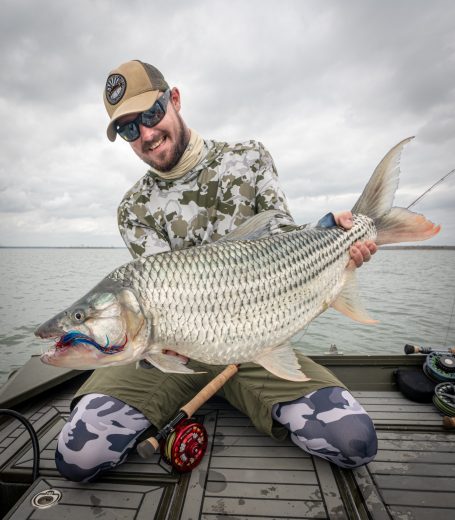
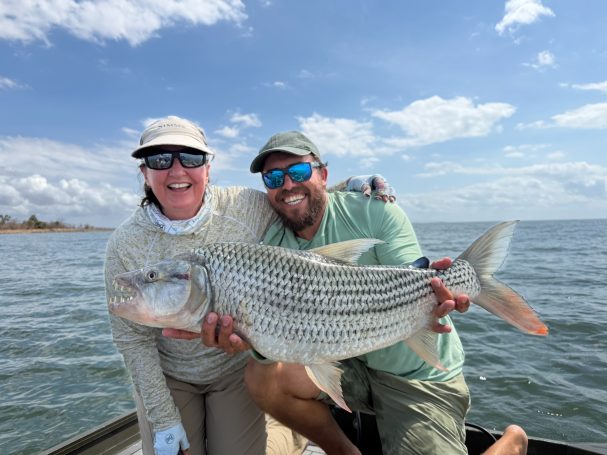
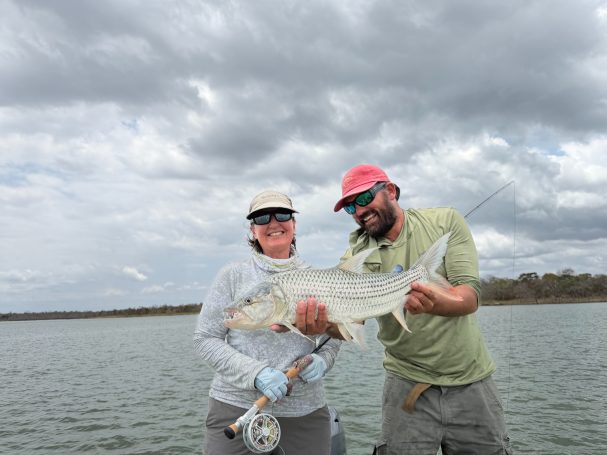
The average fish seemed to be around six to eight pounds, but there were plenty of larger fish mixed in, with tigerfish to around 26lb recorded from the lake so far. Nobody in our group managed a 20lb fish — the largest we had was 18lb — although everybody saw them. At times the fishing became almost absurd. An eight-pounder might take the fly and you would hesitate to set the hook because there was a considerably larger fish circling underneath it. It became a wonderful, hectic, adrenaline-fuelled blur.
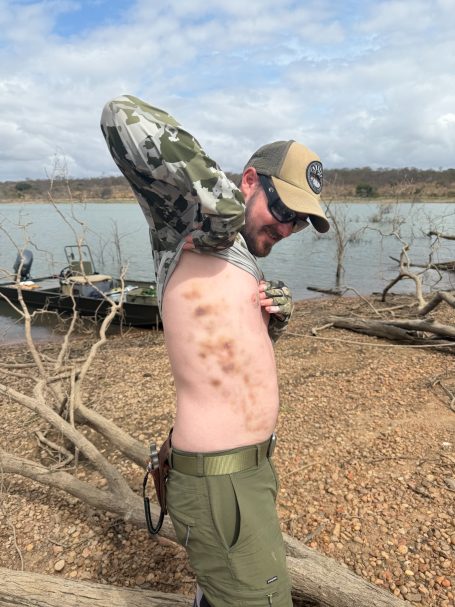
Watching a tigerfish come at the fly does not get old. The takes are so powerful that the first few fish can catch you by surprise, and you quickly learn to keep your hands, fingers and everything else out of the way. We had one fish jump straight into the bilge pump, while Digby, one of the guides, was carrying a scar on his leg from a fish that had jumped teeth-first into him the previous week. A useful reminder that these are exceptionally lively fish armed with a mouthful of very serious teeth.
There was enough variety to stop things ever becoming repetitive. We might be drifting quietly across a bay when suddenly we were surrounded by cheze, the lake's abundant baitfish, with tigerfish slashing through them. Things would occasionally go quiet, only to be followed by a spell when virtually every cast seemed to produce something. The guides were constantly watching the water for signs of fish, and there was always the feeling that something might happen.
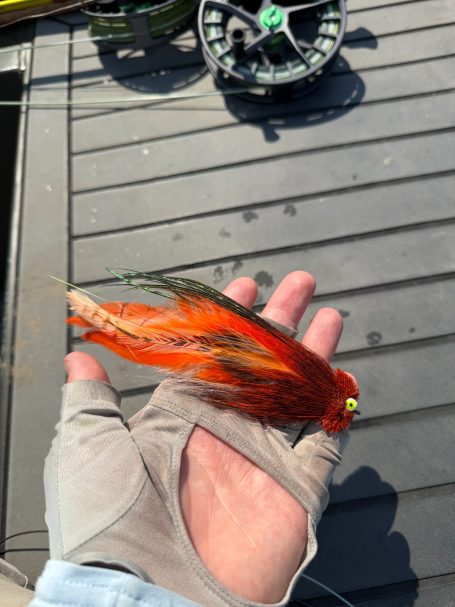
The main approaches were either large poppers on floating lines, or baitfish patterns on fast-sinking lines. Even with the latter, most takes came close to the boat and were typically visible. The larger fish often seemed to hold a little deeper beneath the boat, and we found that a weighted fly (or small bead above the fly) could make a difference when trying to pick out the better fish. Flies were generally six to eight inches, although ten-inch patterns were also used, and both large and small flies caught fish. With poppers, bigger generally seemed to be better — the only real limitation being what you could comfortably cast. For future trips, a ten-weight with a floating line would be recommended.
The fishing on Nyerere is also a serious test of your kit. Over the course of the week we broke several rods and lines, and went through a major quantity of leaders, wire and flies. Packing with redundancy in mind is therefore important. The camp's policy is strict on barbless hooks, which makes good sense. Fishing barbless makes unhooking considerably more straightforward and, with big flies flying around a boat, is safer for everyone involved. We found the best hooks for the job were the Mustad Tarpon Hook, Owner Aki and Tiemco 600SP, in sizes 2/0 to 4/0.
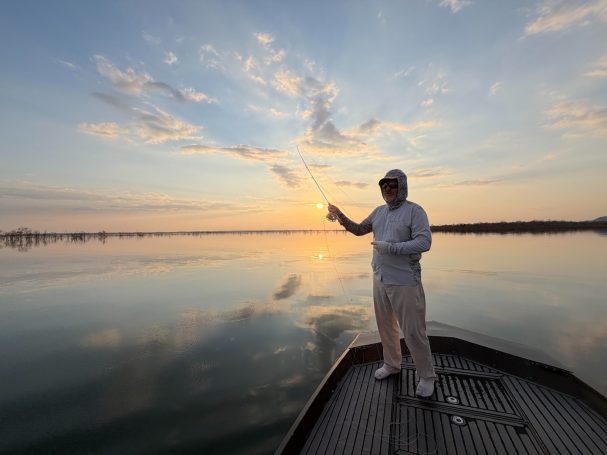
One of the most memorable sessions came towards the end of the trip. John was fishing a popper as the sun was beginning to go down. Things had been a little quieter and the lake had become remarkably still when a double-figure tigerfish came shoulders-out of the water to crush his popper. Barnes, John and I were all left open-mouthed. John has travelled extensively and fished all over the world, and later said it was the best popping action he had experienced anywhere.
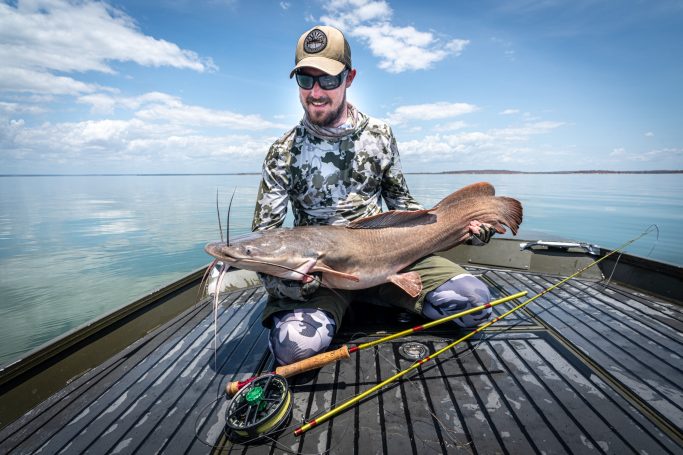
The tigerfish are the main attraction, but there are other species in the lake, most notably the large vundu catfish. One afternoon Fergus hooked one and it was immediately apparent that this was a very different proposition. The fish took off like a freight train. He gave it no quarter and eventually brought it alongside the boat, where it stuck its head out of the water and made some sort of belching noise at him, which had us chuckling.
A fishery still being discovered
The Rufiji River was dammed as part of the Julius Nyerere Hydropower Project, creating an enormous new body of water where the ecosystem is still developing. Vast quantities of vegetation and organic material were submerged as the lake filled, providing a huge source of nutrients and, in turn, an enormous biomass of baitfish. In places the shoals of cheze were so thick that they boiled on the surface. There were times when you could smell the fish before you reached them.
It is difficult to imagine a better situation for a growing population of tigerfish, and inevitably we found ourselves wondering what happens next. Other African lakes and reservoirs have gone through similar cycles, and at some stage a young fishery will move beyond its initial period of abundance. At some point there may be what we came to think of as "peak tigerfish". Nobody knows exactly when that will be, or indeed whether it is still some way off. That is part of what makes Nyerere so interesting at the moment.
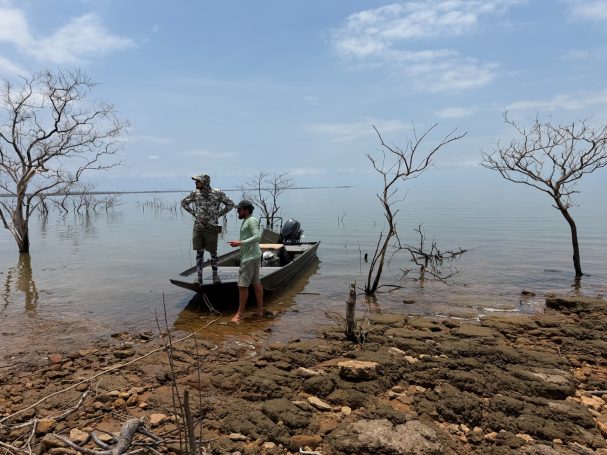
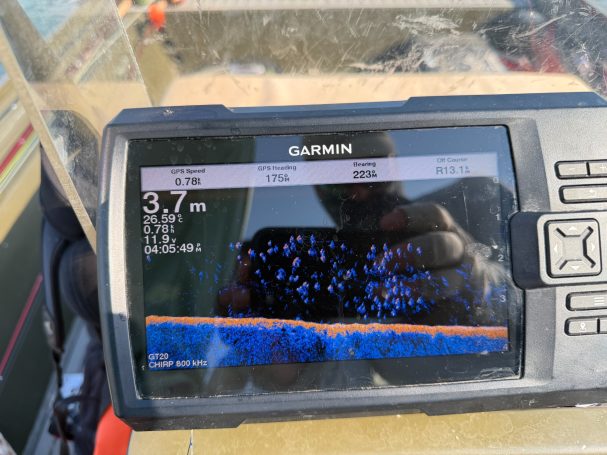
The guides have established areas they know hold fish, but they are also constantly exploring. They study maps of the area from before the dam was filled, looking for old river channels, points, islands and other features that might concentrate fish. Garmin fishfinders are invaluable in understanding what is happening beneath the surface, and there is still very much a sense that the lake is being worked out. Often they seemed to find fish exactly where they thought they might. That, for me, is one of the great attractions of Nyerere. You are not fishing a famous piece of water and following a routine established over decades. There are still bays to explore, features to investigate and a genuine sense that nobody quite knows what might turn up next.
Maji Mapya
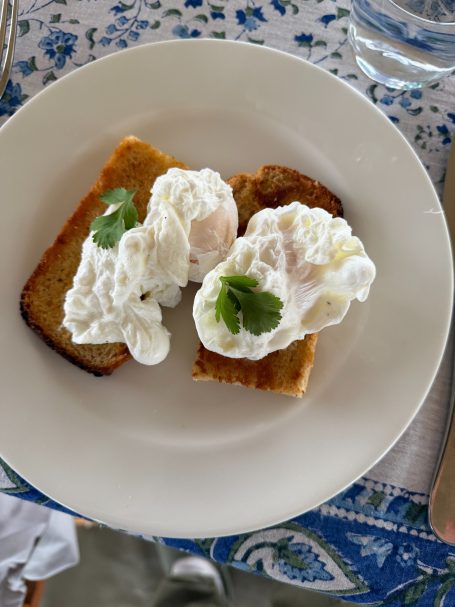
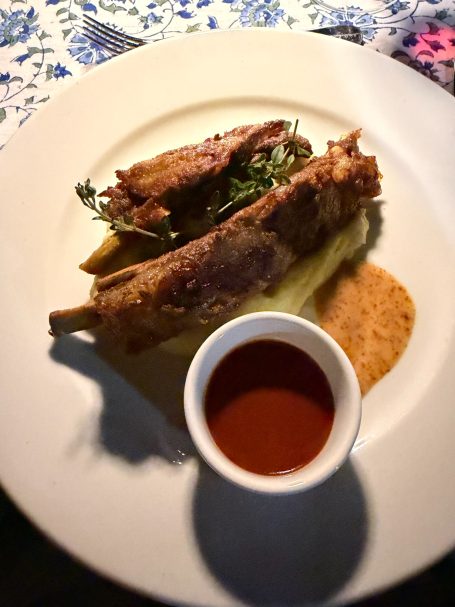
Life back at camp was very civilised, and proved the ideal place to relax after the chaos of the fishing. Gilbert, the resident chef, was outstanding, and everyone commented on how the food exceeded expectations. Breakfast was eggs to order, good sausages, coffee, fruit and fresh juice; lunches were generous, while dinner was always a highlight after a long day on the water. The daily laundry service was extremely useful after fishing hard in the heat, and the tents were comfortable without ever feeling out of place in their surroundings.
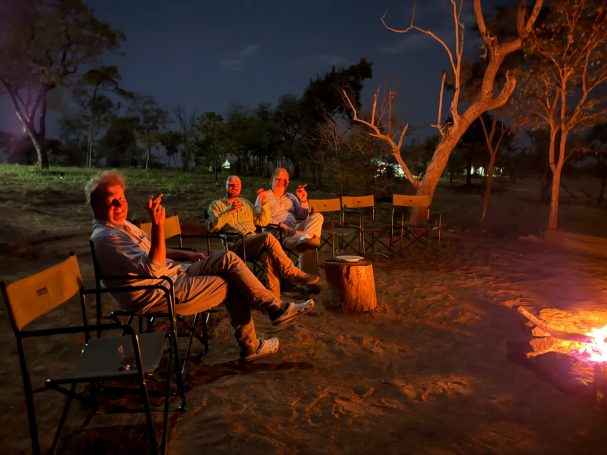
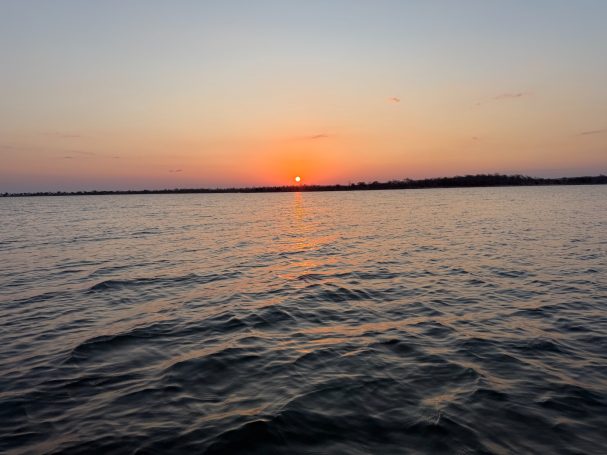
For whatever reason, every morning I seemed to wake about ten minutes before my alarm, just as the sun was beginning to come up, with birds singing and hippos making themselves known somewhere in the distance. In the evenings the wind would pick up around camp, providing a sort of natural air conditioning, and after dinner there was time for a cigar around the fire and a chance to debrief on the madness of the day.
There were also plenty of reminders that this was not a garden resort. We saw hippo tracks around camp, while crocodiles, elephants, snakes and scorpions are all present in the wider area. Closed shoes are required around camp because of the latter. The boats carried first-aid equipment and satellite phones, there was a park ranger in camp, and Ed has access to a reliable flying-doctor service if required. More importantly, Ed and his team have grown up operating in this environment and know the bush extremely well.
A great deal of the credit for the week we had goes to Ed Ghaui. Ed and his brother Barnaby are fifth-generation Tanzanians, descended from Syrian traders who came to East Africa many years ago. They grew up fascinated by fish, and that fascination has subsequently taken both of them to some fairly remarkable places. Ed spent two years operating in the Democratic Republic of Congo, taking clients fly fishing for Goliath tigerfish, and has personally caught 14 of them on fly, which is quite a record. After years of adventures he has the sort of stories you want to hear around a campfire. One involved an engine failure that left him and his cousin Greg stranded in the bush in the Central African Republic. It was entertaining told around the fire in Tanzania; presumably rather less so at the time.
Running a camp like Maji Mapya is no small undertaking. Everything has to be brought into an extremely remote part of the country, often over considerable distances. At one point during our stay Ed disappeared for most of the day and drove seven hours to collect red wine for the group. Our guides, Digby and Barnes, were excellent. They worked incredibly hard throughout the week, running the boats, finding fish, helping us land and release them and generally keeping an eye on us, while remaining conscious of the wildlife around us. They were wonderful company throughout.
Nyerere is beginning to attract more attention, which is not surprising given the quality of the fishing. Having now been there ourselves, we would have no hesitation in recommending Ed and his operation, Nyerere Fishing. Ed is Tanzanian, knows the country intimately, has spent much of his life fishing and exploring wild parts of Africa, and has put together an exceptionally good operation at Maji Mapya. At a destination as remote as this, that experience counts for a great deal.
A rare opportunity
The obvious question is what happens next. Nyerere is an extraordinarily productive young lake, but it won't remain unchanged forever. More anglers will come, more people will take an interest in the fishing, and there has already been discussion about the possibility of commercial fishing. Hopefully it will be managed sensibly. Nobody really knows how the tigerfish population will develop as the reservoir matures, and I don't think anyone can confidently predict what the fishing will look like in five- or ten-years’ time. That uncertainty shouldn't put anyone off going. If anything, I think it is a very good reason to go now.
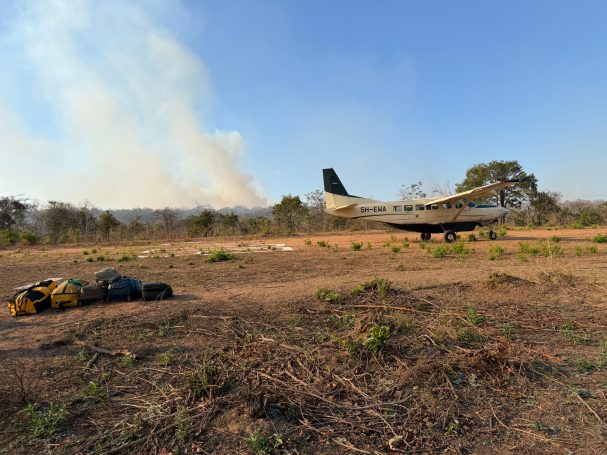
Eventually our week came to an end. We packed up, enjoyed a final lunch and headed back across the lake to the airstrip. Smoke was rising in the distance from fires being used to reset the grass as we waited for the charter aircraft to arrive. By then there were some fairly worn-out bodies amongst us, several people were carrying bruises from fighting fish, and I think everyone felt we had experienced something quite special.
Fishing trips are often remembered because of one particular fish. Sometimes it is the biggest fish, the first fish, or one caught under difficult circumstances. Nyerere was different. It was the whole week: waking with the sun coming up over the lake and hippos somewhere in the distance; the first explosion of a tigerfish on a popper; shoals of cheze boiling across a bay; watching a double-figure fish appear underneath the one you were playing; and sitting around the fire in the evening, tired, slightly sunburnt and thoroughly content.
There is something liberating about spending a week thinking about little more than where the fish might be, whether the wind will drop, whether the next cast will produce a tigerfish and what is for dinner. For a few days everything else seemed a very long way away. Most of all, though, Nyerere feels like a fishery that we were seeing at a very particular moment in its life. There are enough fish that you can release a ten-pound tigerfish without taking a photograph because you have just seen a considerably bigger one underneath it. You can fish bays that have barely been explored and genuinely wonder what might turn up on the next cast. There aren't many places left where you can say that.
A final thank you must go to Ed and the whole team at Maji Mapya for looking after us so well. Hats off to Ed for having the vision to recognise the potential of Nyerere and putting together such a good operation in a very remote part of Tanzania. It is no small undertaking, and we came away enormously impressed by what he and the team have created. And finally, thank you to Fergus, Miles, John and Diane for being great company throughout.
It goes without saying that we would thoroughly recommend the whole experience. If tigerfishing is something you have ever wanted to do, Nyerere should be top of the list. We would suggest going sooner rather than later. Nobody really knows how this young lake will develop, or how long the abundance of fish we experienced will last. It may continue for many years yet, but part of what makes Nyerere so exciting at the moment is that we don't know. For that reason, I would want to get there in the next two or three years, while the fishing is exceptional and there is much left to discover.
We need your consent to load the translations
We use a third-party service to translate the website content that may collect data about your activity. Please review the details in the privacy policy and accept the service to view the translations.